The First Brew
The Beer Machine promised to revolutionise home brewing with an all-in-one system that brewed, fermented and dispensed beer from a single unit. My first batch was a success, but a lack of supplies and spare parts meant my brewing adventure was short-lived.
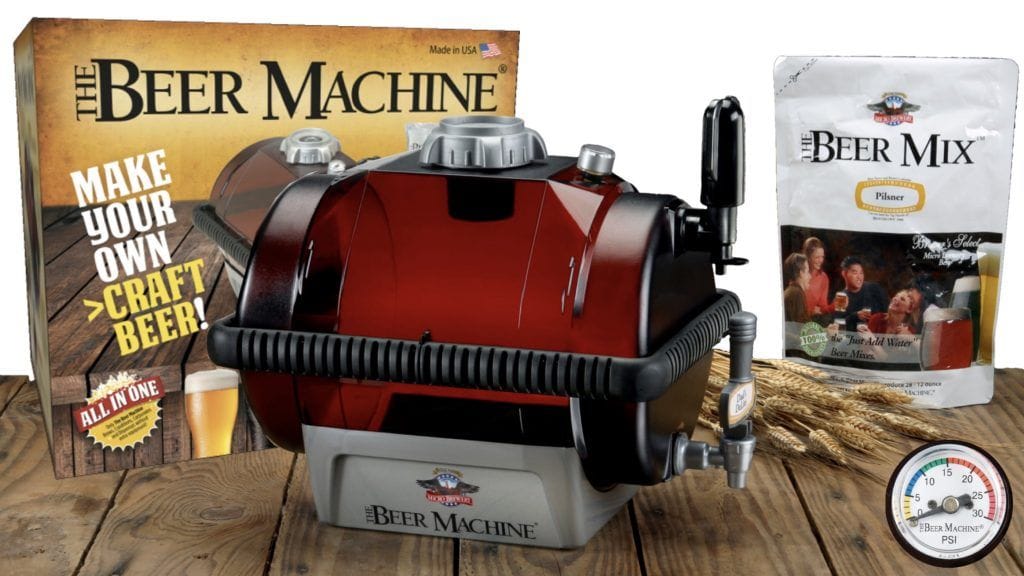
I'd always liked the idea of brewing my own beer, but for years it was one of those things that remained firmly in the "maybe one day" category. I enjoyed drinking beer, but I knew very little about how it was actually made, and the thought of buckets, bottles, tubes and endless cleaning seemed like a lot of effort.
That changed in the early 2000s when I came across a device called The Beer Machine. The advertising made it sound like the future of home brewing. It was described as a revolutionary all-in-one system that could brew, ferment, carbonate and dispense beer from a single compact unit small enough to fit inside a refrigerator.
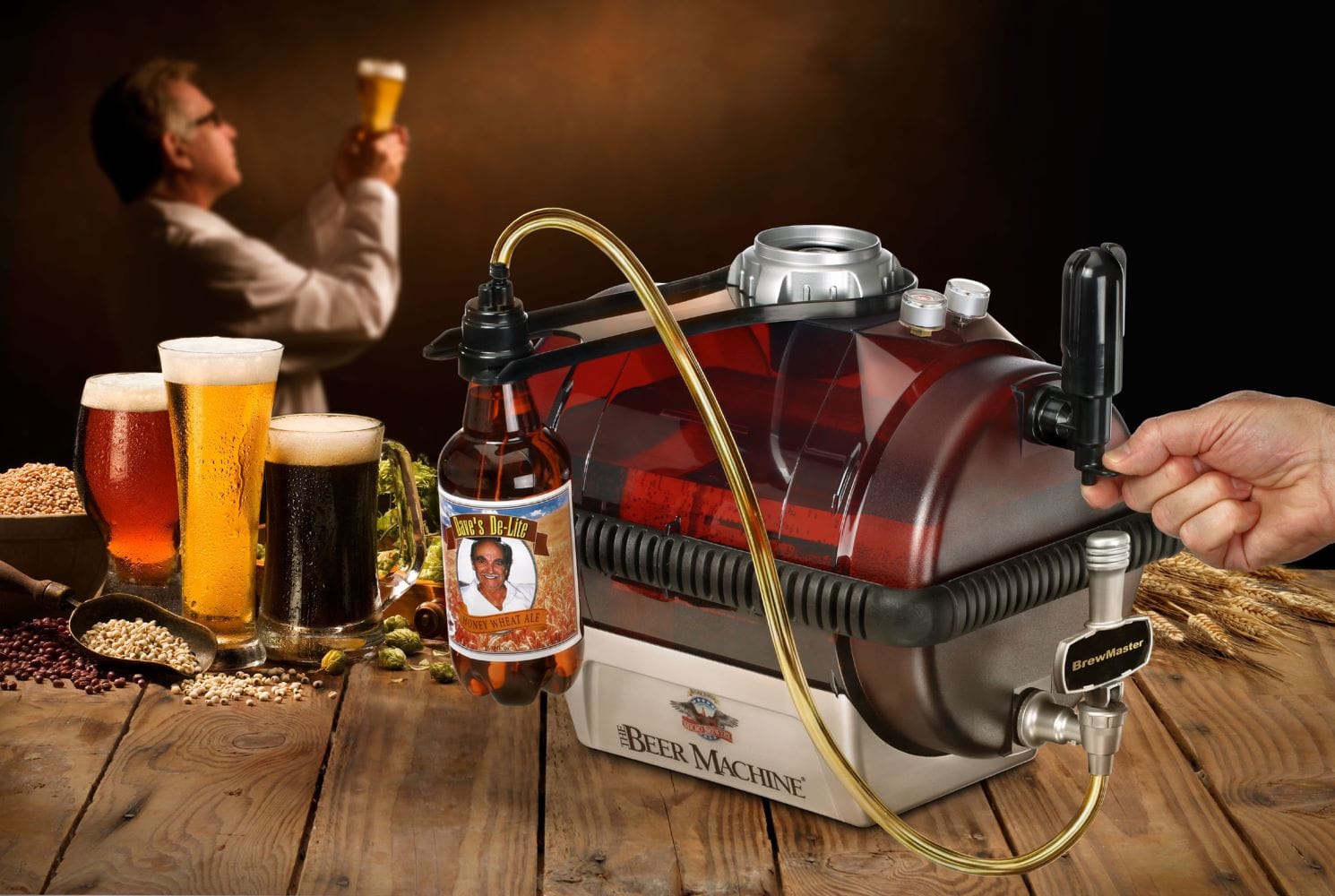
The idea immediately appealed to me. The adverts promised naturally carbonated beer without chemicals or preservatives, and perhaps most importantly, no endless rows of bottles to clean and fill. Looking back, the "no bottles" claim was slightly misleading, as later versions were fitted with attachments that allowed beer to be bottled, but at the time it sounded like the perfect introduction to home brewing.
Knowing almost nothing about the brewing process, I decided to take the plunge and bought one for around £90. It wasn't exactly cheap, but it seemed like an easier way to get started than buying lots of separate equipment.
When it arrived, my first task was assembly. The machine came with a surprising number of parts, and I spent some time carefully following the instruction manual and studying the diagrams. There were seals, tubes, valves, floats and a carbonation unit, all of which had to be fitted correctly before I could even think about making beer. Fig 1 Assembly, Fig 2 Spigot, Delivery Tube & Float, Fig 3 Carbonation Unit, Fig 4 Pressure Control Valve, Fig 5 Main Seal, Fig 6 Final Assembly
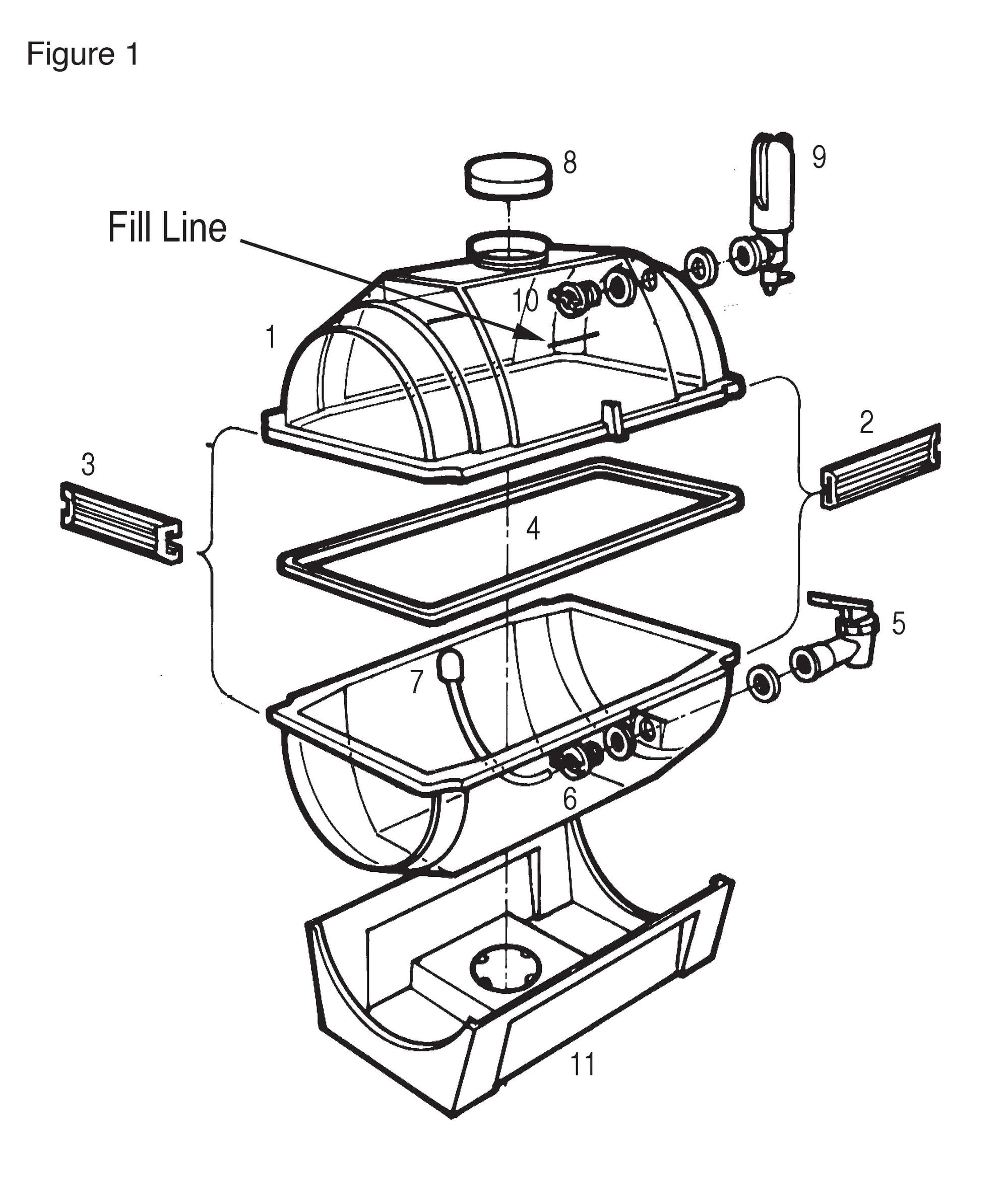
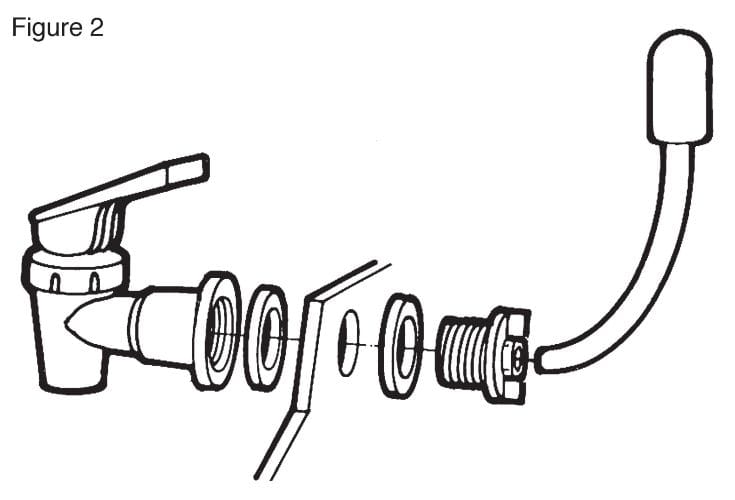
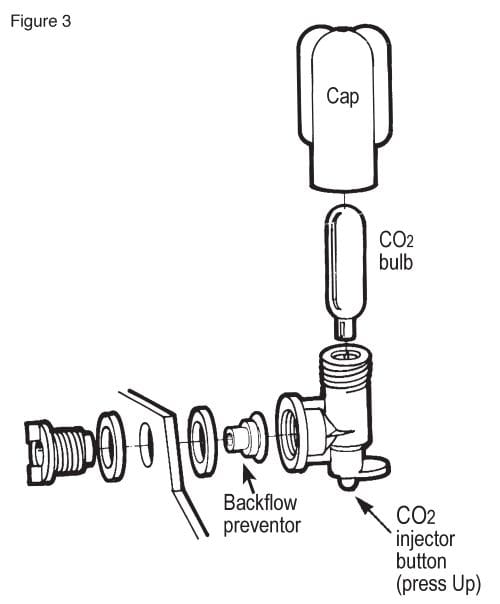
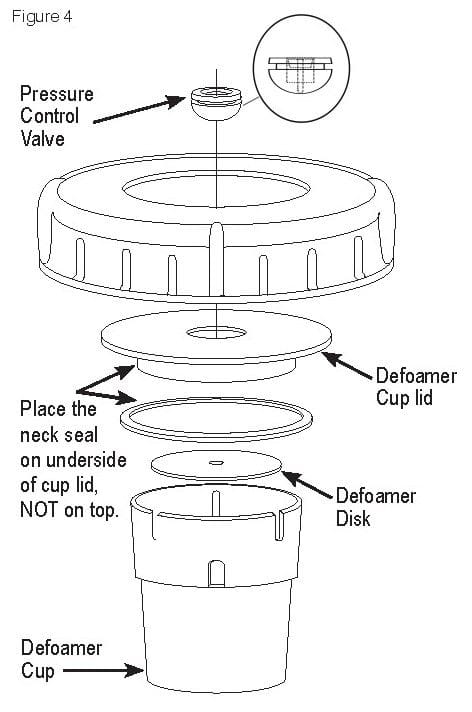
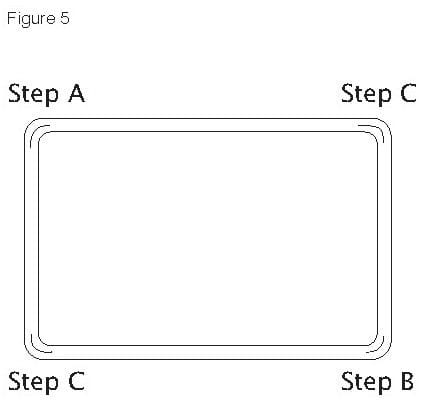
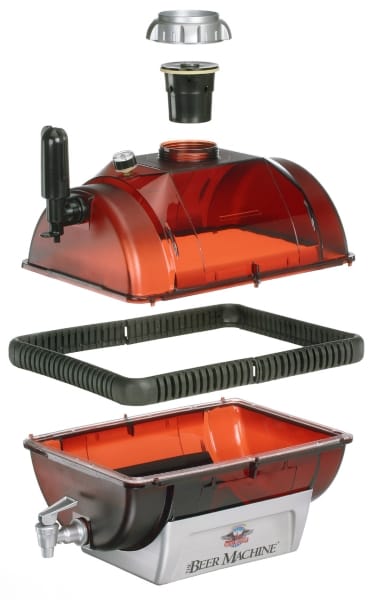
Fig 1 Assembly, Fig 2 Spigot, Delivery Tube & Float, Fig 3 Carbonation Unit, Fig 4 Pressure Control Valve, Fig 5 Main Seal, Fig 6 Final Assembly
Once assembled and thoroughly cleaned, it was finally time to brew my first batch. Compared to what I would later learn about home brewing, the process was remarkably simple. Water was added to the machine, followed by the beer mix and the packet of brewer's yeast. After topping up to the fill line and sealing everything inside, the machine was left to work its magic.
Over the next few days I found myself checking on it far more often than was necessary. Fermentation was monitored using the pressure control valve, where bubbles escaping through a small amount of water provided a visible sign that something was happening inside. For someone completely new to brewing, it was fascinating to watch.
After several days the bubbling slowed down, signalling that fermentation was largely complete. The machine was then moved into the refrigerator for conditioning. The cold temperature helped the beer clear, while the carbonation produced during fermentation gradually dissolved back into the beer.
One of the Beer Machine's most unusual features was the concept of continuous brewing. Because the system remained sealed, it was possible to brew batch after batch without fully cleaning the machine each time. Some enthusiasts reportedly managed ten or even fifteen brews in succession. The manufacturer recommended removing some of the accumulated sediment every few batches to keep everything healthy.
The idea sounded clever, but it never really appealed to me. My first brew turned out surprisingly well, especially considering I had no brewing experience whatsoever. The problem was that I wasn't particularly keen on the flavour of the beer mix itself. It was drinkable, but it wasn't a beer that made me eager to immediately start another batch.
There was another issue too. The Beer Machine used a small defoamer disc inside the pressure control valve assembly, and these needed replacing regularly. If memory serves, only two or three spares were supplied with the machine. When I visited my local homebrew shop hoping to find alternative beer mixes and replacement parts, I discovered that most kits were designed for the standard 40-pint brewing equipment used by home brewers rather than the smaller capacity of The Beer Machine.
Without a convenient supply of ingredients and spare parts, my enthusiasm quickly faded. I don't think I ever brewed more than that first beer mix.
So The Beer Machine was cleaned, packed away and eventually found a permanent home on a shelf. Amazingly, I still have it today, although the defoamer disc disappeared long ago. Every now and then I look at it and wonder if I could modify the pressure control valve or find another way to seal the top properly. If I ever do, I might be tempted to try making a small batch of cider in it.
For now, though, it remains a reminder of my first tentative step into home brewing. It may not have turned me into a dedicated brewer overnight, but it planted a seed that would eventually grow into a much larger brewing hobby years later.