My First Drink
From childhood memories of homebrew demijohns and working men's clubs to discovering real ale in a brewery pub, this is the story of how a simple glass of shandy became the first step on a lifelong journey through beer.
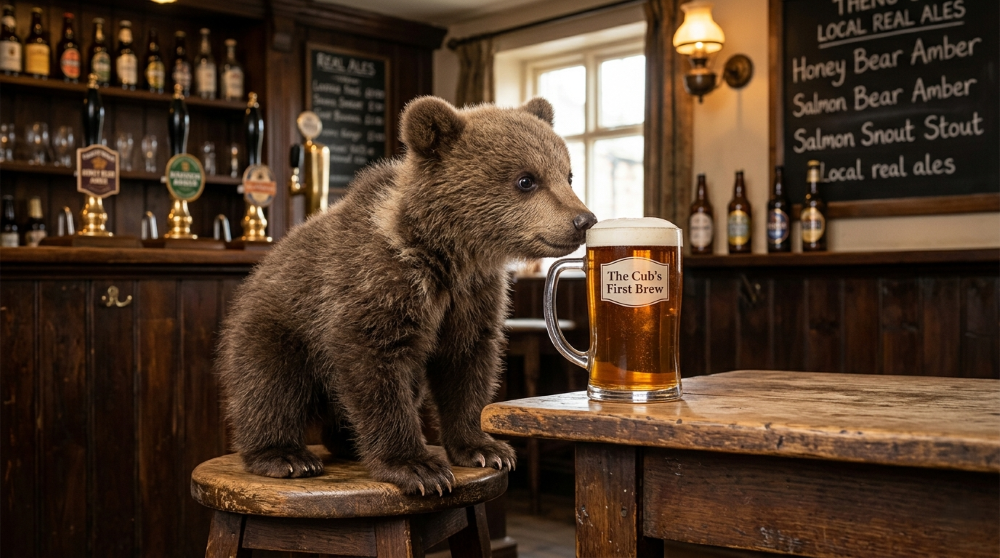
Before I ever thought about brewing beer, beer was simply something that was always there in the background of life.
As a young child growing up in the 1960s, I remember seeing people make their own beer and wine long before homebrewing became the popular hobby it is today. My older brother was particularly interested in brewing, and I can still picture a demijohn bubbling away in the corner of a room. I have no idea where he learned how to do it, but there always seemed to be bottles of homemade wine or beer tucked away in cupboards, each one carefully labelled by hand.
One thing I remember hearing repeatedly was a warning about potato wine. Whether it was true or not, everyone seemed convinced that drinking it could make you blind. Looking back, it was probably one of those stories that grew with every telling, but it certainly stuck in my mind.
At the time, though, brewing held little interest for me. I was far more interested in spending time with my family, and some of my happiest memories came from visiting the local working men's club with my parents.
The club was the centre of the community. After a hard week's work, families would gather there to relax, socialise, and enjoy the entertainment. The bar room was busy with conversation and games, while the concert room would fill with people playing bingo before the evening's singer or comedian took to the stage.
As children, we would spend most of the evening running around outside with our friends, occasionally dashing back in to ask our parents for a drink. Usually that meant a glass of orange juice or lemonade before disappearing outside again.
Later in the evening we would sit quietly with Mum while she concentrated on her bingo cards, waiting for the entertainment to begin. Looking back, those evenings seem wonderfully simple. Nobody had mobile phones, nobody was staring at screens, and people genuinely spent time together.
As I moved into my teenage years during the 1970s, my choice of drink began to change.
One evening my dad handed me what he called a "proper shandy" — half beer and half lemonade. It wasn't my first taste of alcohol, but it was the first drink I remember being given as something more than a novelty. I enjoyed it immediately. More importantly, it felt like a small step into adulthood. Dad wasn't treating me like a child asking for a soft drink anymore; he was letting me share in something that the grown-ups enjoyed.
That simple gesture meant more than the drink itself.
A few years later, during another visit to the club, Dad offered me a pint of cider instead of my usual shandy. I wasn't sure what to expect, but from the first sip I loved it. The sweetness, the fruitiness, and the smoother taste appealed to me far more than beer did at the time.
For several years cider became my drink of choice.
When the 1980s arrived and I started going into town with friends, cider gradually gave way to lager. Ordering lager was easy. Everyone drank it. You could walk into almost any pub and simply ask for a pint. The problem was that I never really liked it very much. It always seemed too fizzy, and more often than not I paid the price the following morning.
By the mid-1980s I had largely moved away from the town nightlife scene. Most of my drinking was done at home or at gatherings with friends and family, and cider once again became my regular drink.
That remained the case for many years.
Then, in 2003, something happened that would unexpectedly change my drinking habits forever.
I met up with a friend who worked in town. After finishing work he suggested we go for a drink in a nearby pub. At first I wasn't particularly keen. I hadn't spent much time drinking in town for years, and the idea held little appeal. Eventually I agreed, and we settled down with a couple of pints of cider and a chat.
To my surprise, I thoroughly enjoyed it.
The pub had a relaxed atmosphere that suited me perfectly. Even when it was busy, it never felt overwhelming. Before long it became a regular meeting place. Week after week we would meet there, order our drinks, and spend hours talking. Eventually the staff knew exactly what we wanted before we even reached the bar.
What made this pub different, however, was its brewery.
Unlike most pubs, it brewed its own beer on site and served it fresh through traditional hand pumps. One evening my friend and I decided to try one.
That first pint changed everything.
The flavour was unlike anything I had experienced before. It had character, depth, and freshness that no supermarket lager or canned beer could match. From that moment on, real ale gradually replaced cider as my favourite drink.
The more beers I tried, the more interested I became in the brewing process itself. Every beer had its own personality. Some were rich and malty, others light and hoppy, but they all shared a quality that made me want to learn more about how they were made.
Over twenty years later, real ale remains my drink of choice.
I still enjoy the occasional cider, and every now and then a shot of Ouzo or Black Sambuca, but beer has become the drink I return to time and time again. I still visit that same pub most weeks, enjoying both old favourites and new beers brewed on site. Friends have come and gone over the years, but the pub remains a constant.
Looking back, it's funny to think that my journey into brewing really began with a glass of shandy handed to me by my dad all those years ago. At the time it felt like nothing more than a simple drink. In reality, it was the first step on a journey that would eventually lead me to discover real ale, homebrewing, and ultimately Bear Hug Brewery itself.